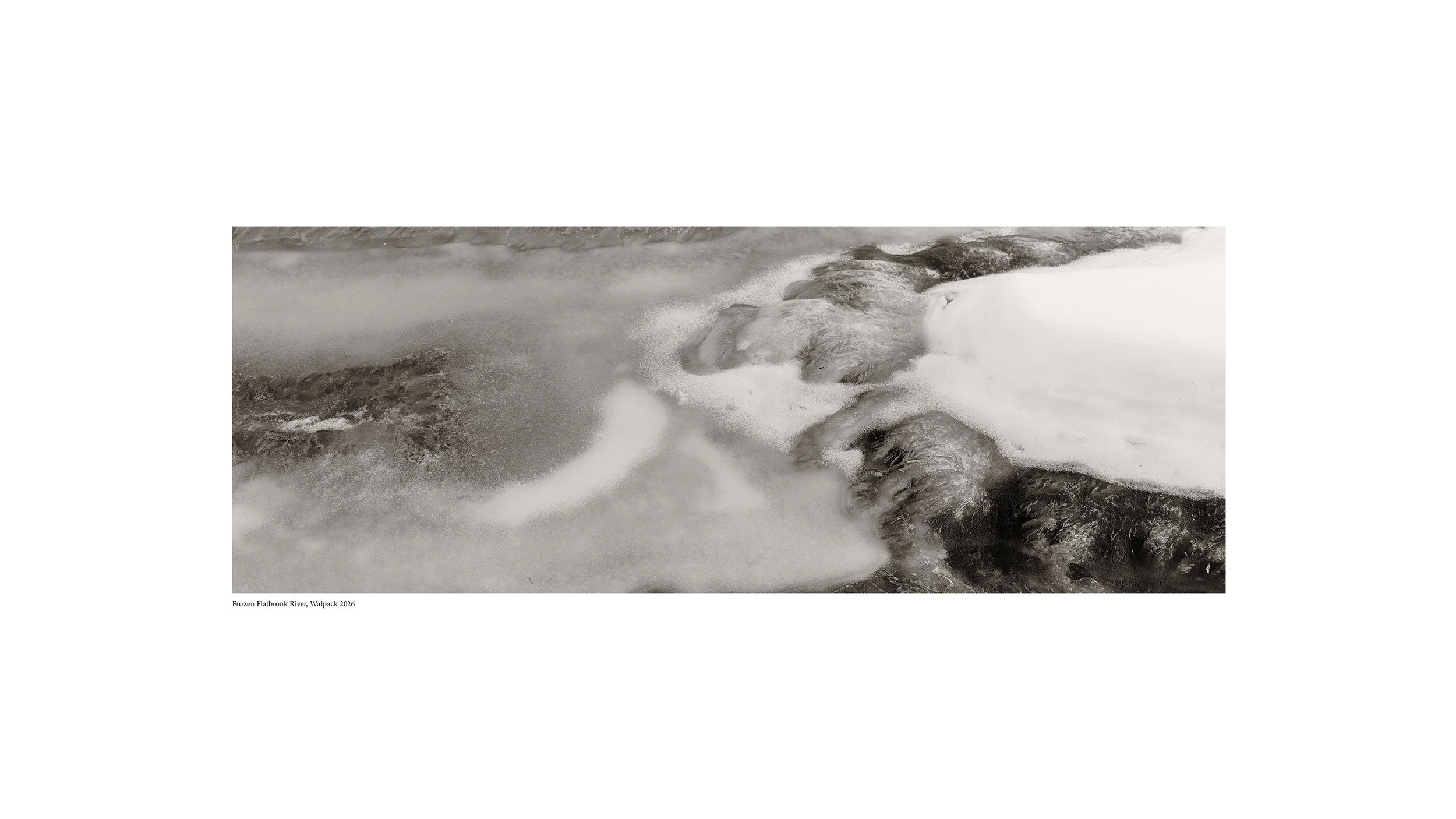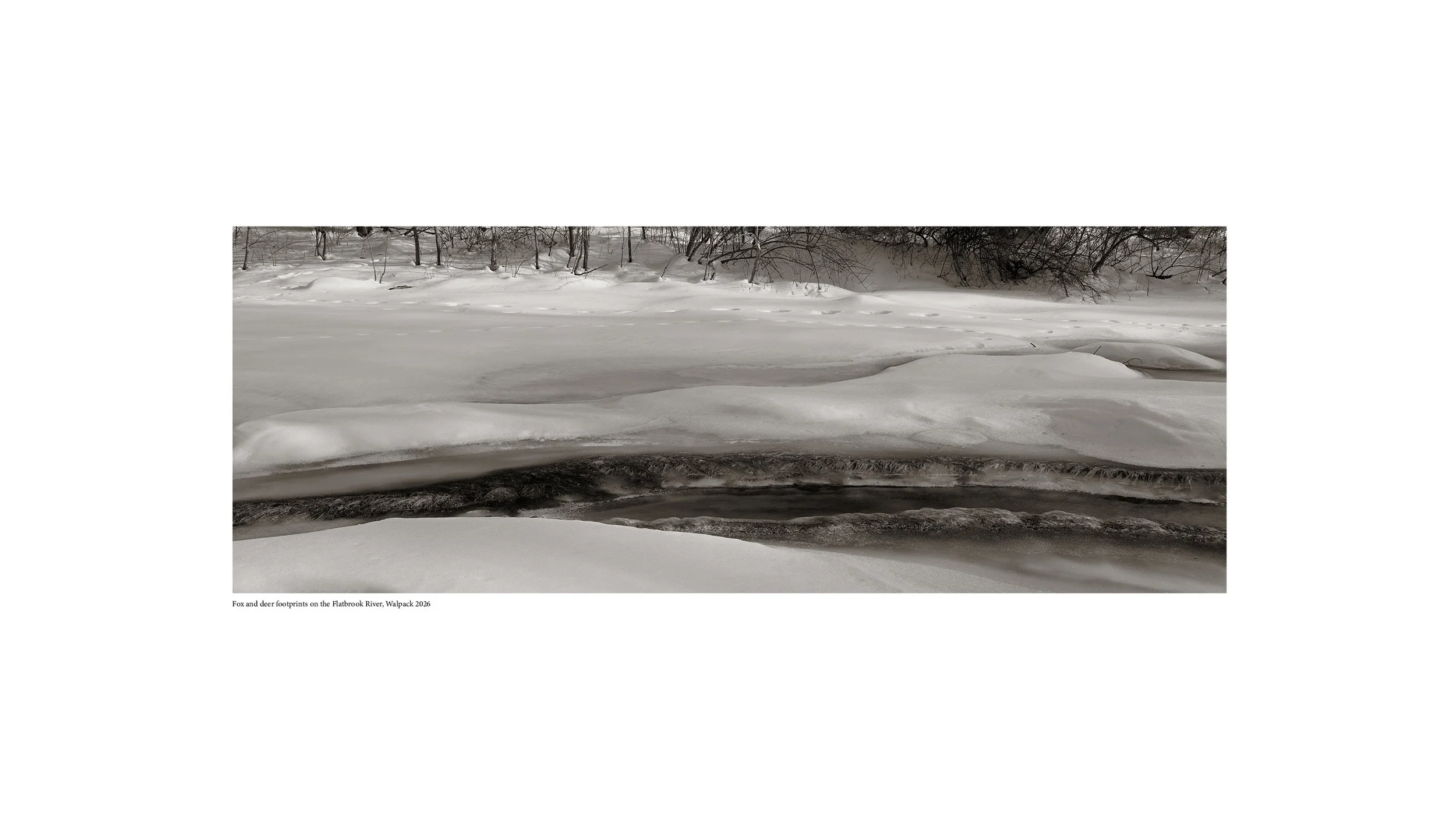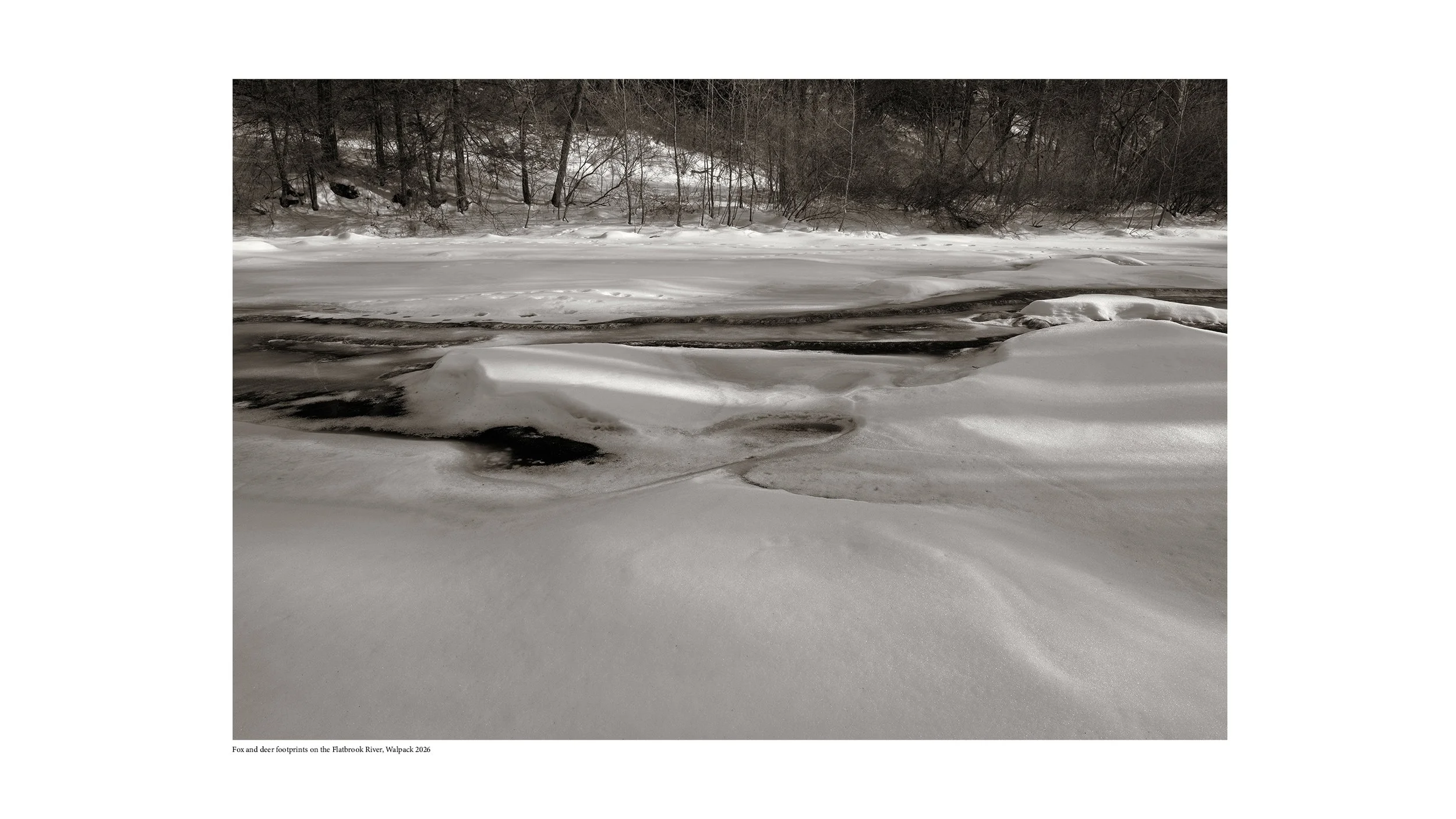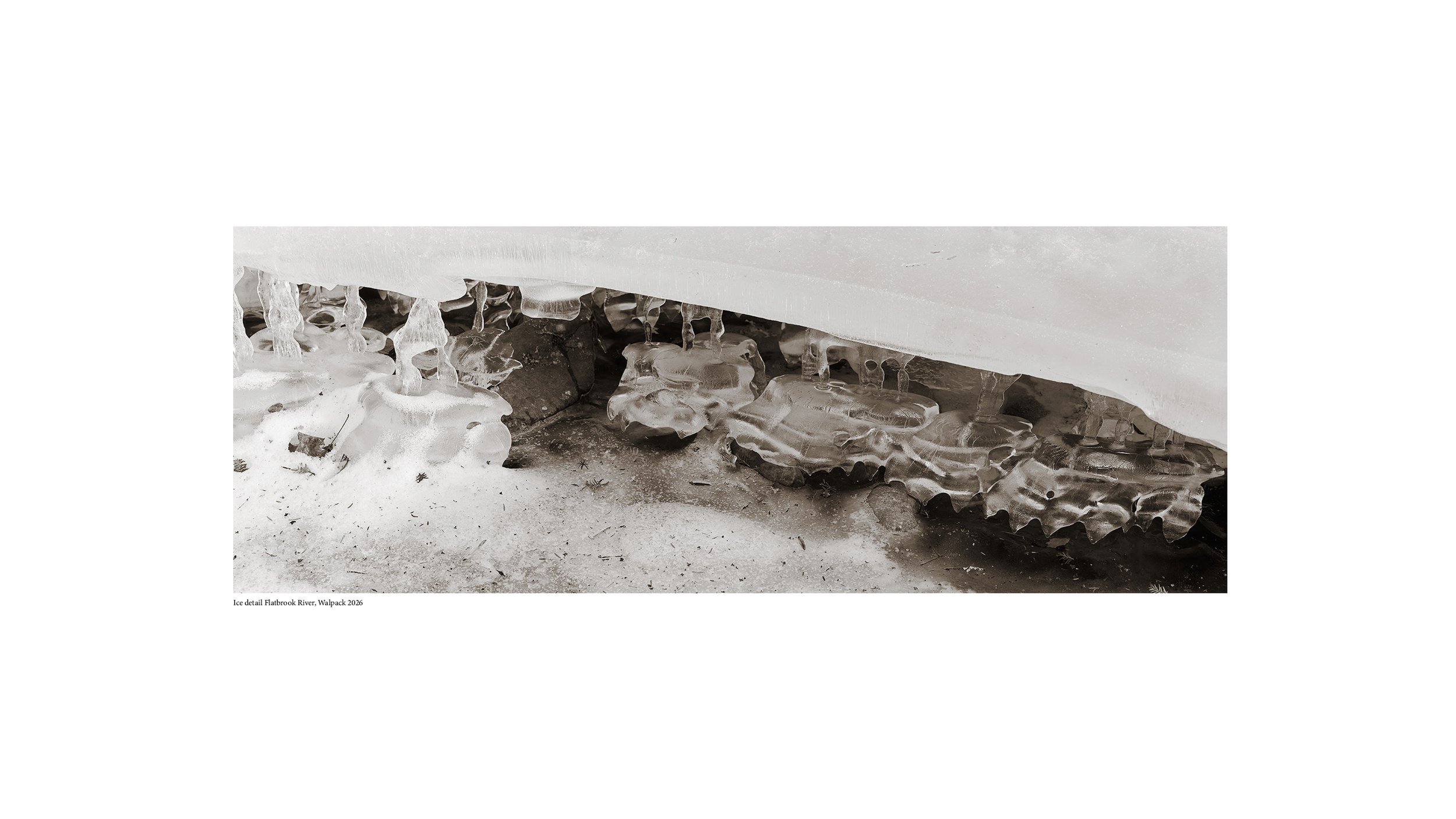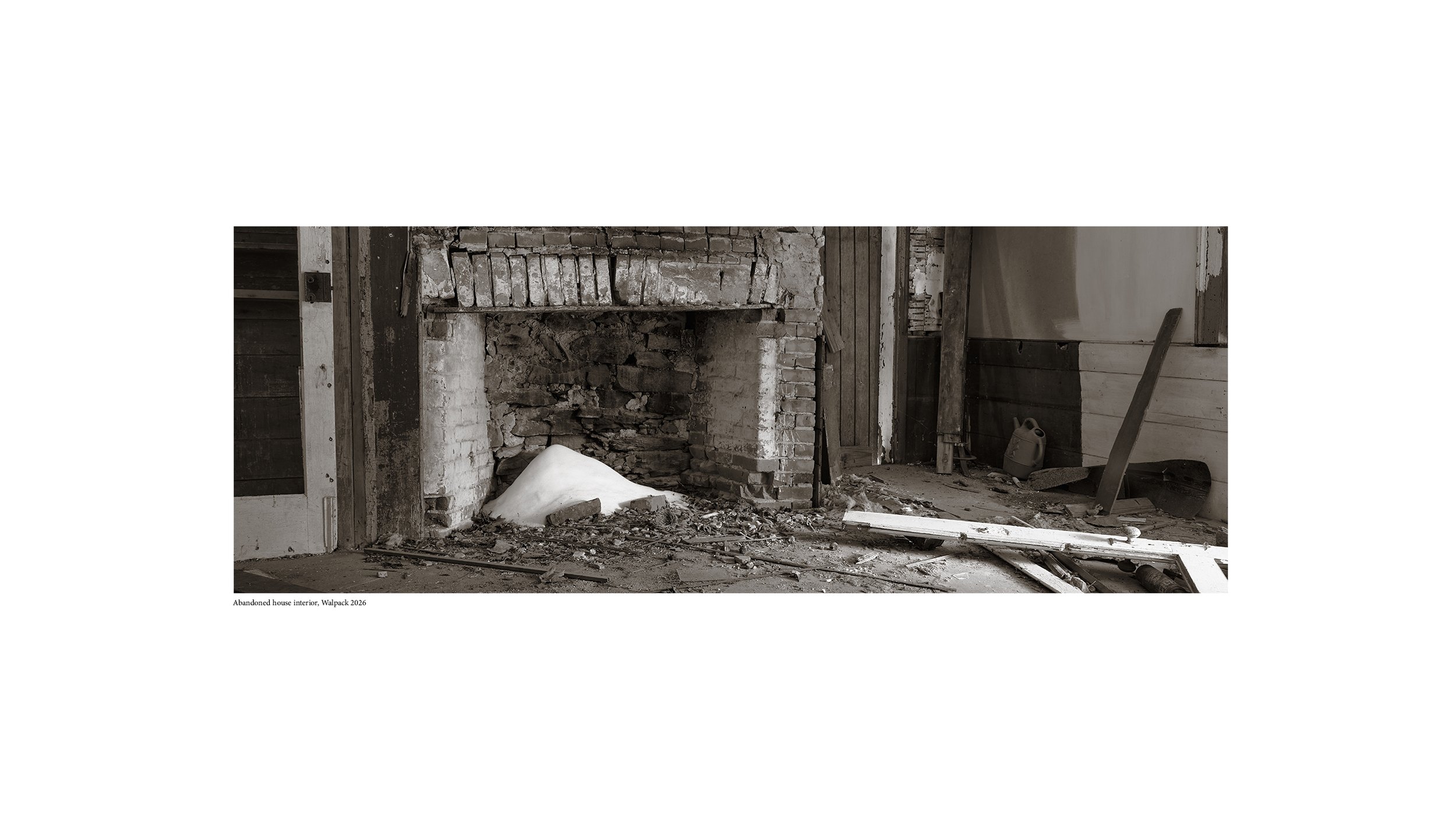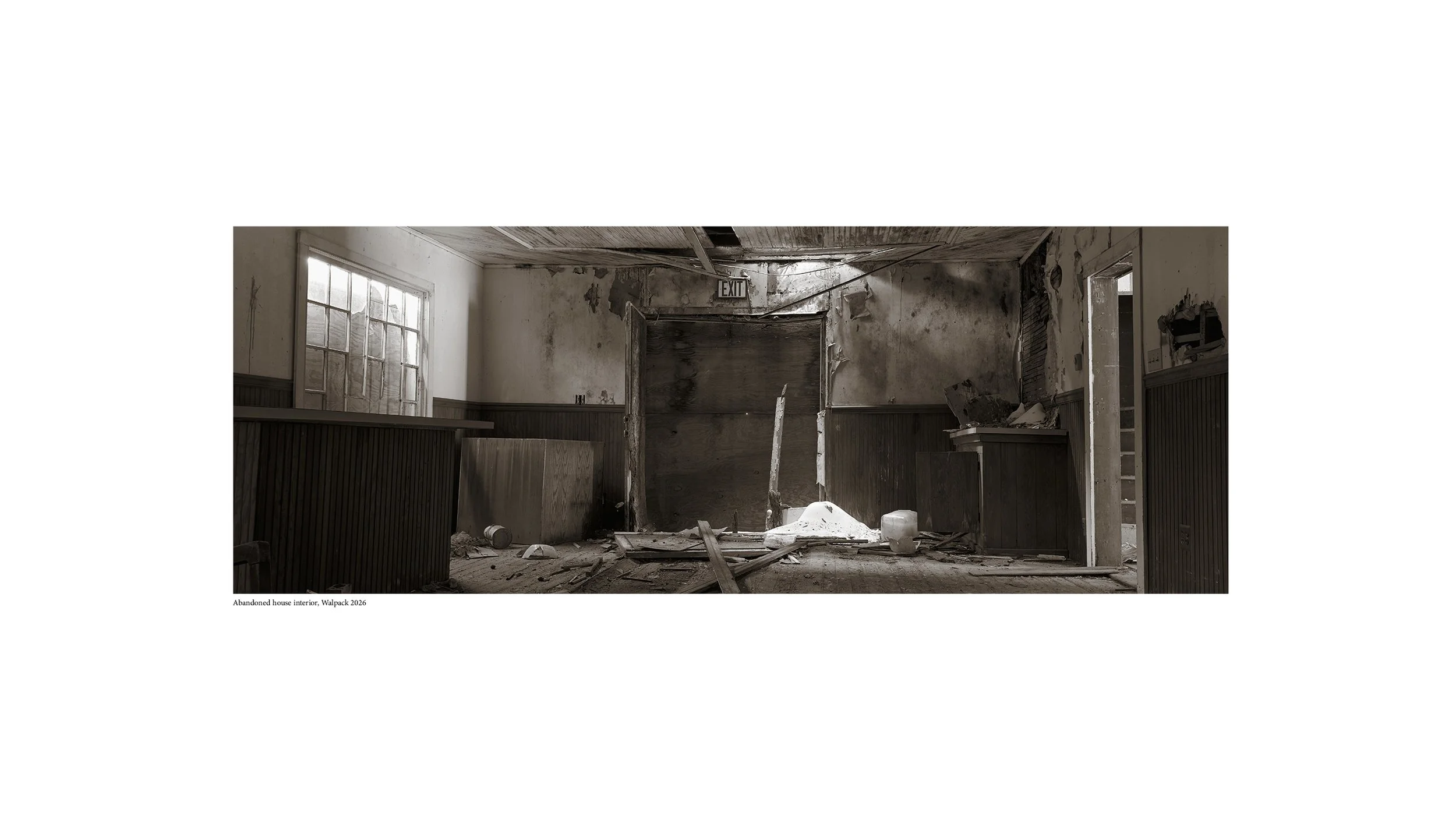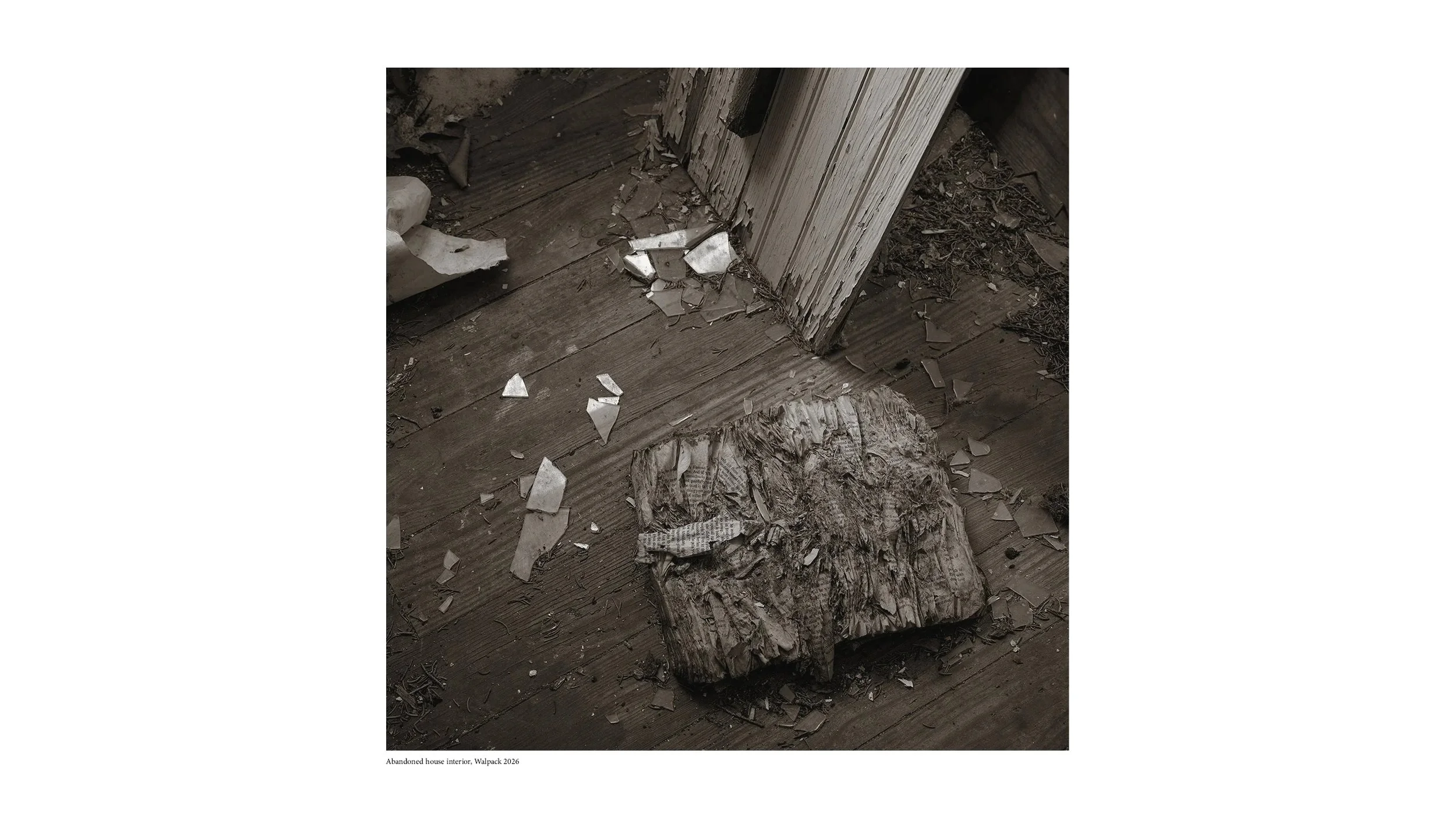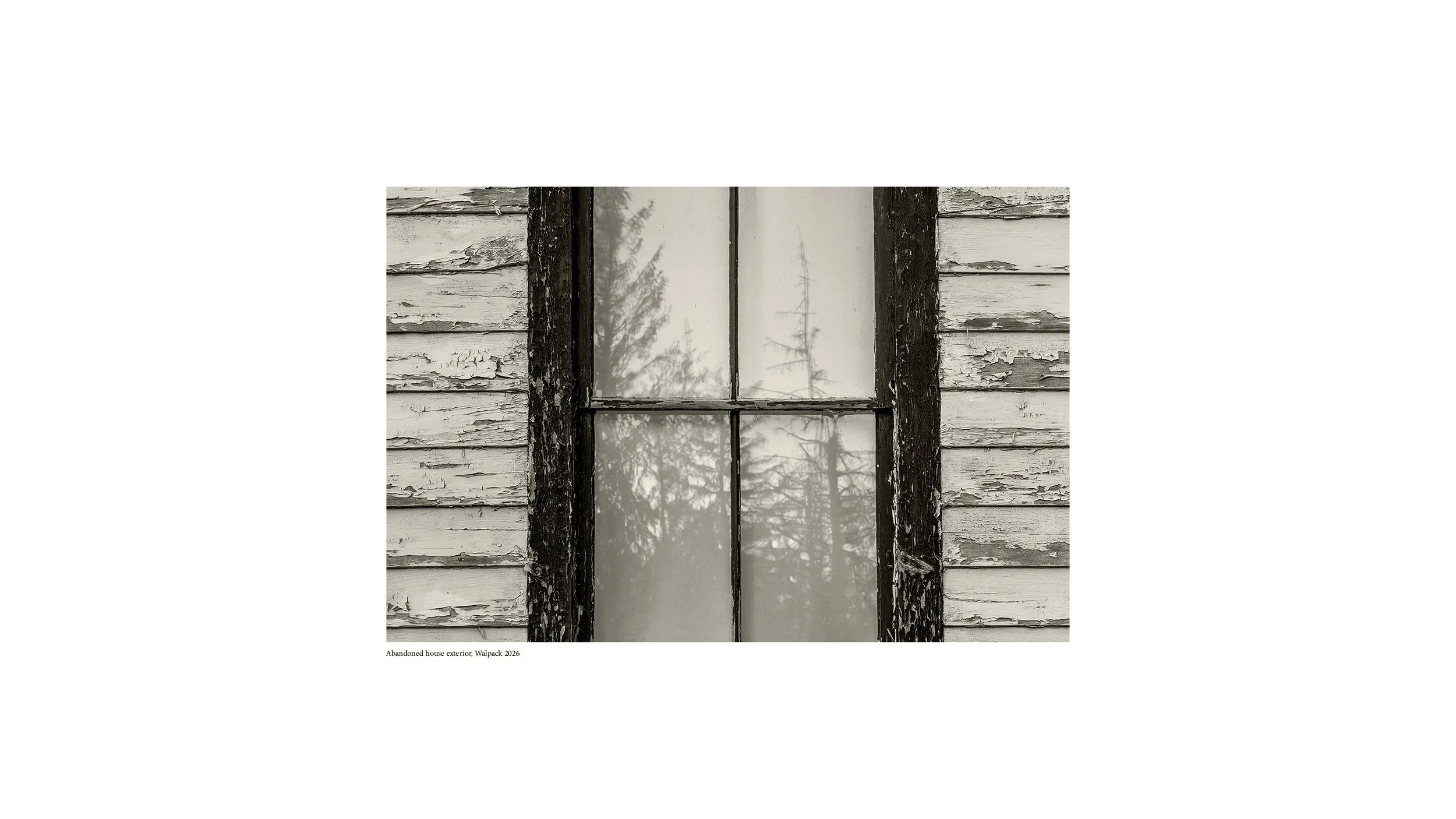

Most of these images were taken during the early hours of the morning, usually just before the sunrise or sunset. This series is part of an ongoing documentation of the Walpack valley located in northern NJ. This valley is where my photographic journey began some 27 years ago. While I am not a history buff I do find the story of this area to be endlessly fascinating. The natural beauty of the area might be the most obvious reason for my attraction to the area but the main reason being it’s history. I have captured this area in various mediums such as large format film (4x5 & 8x10), pinhole, platinum prints, video, 35mm & medium format film and now most recently medium format (digital). I remember looking through View Camera magazines and would marvel at the work photographers produced out west. Jealous of the sweeping vistas of impossible mountain beauty or the soft mesmerizing shapes of pueblo ghost towns I was determined to capture a version of this beauty where I lived. You wont find epic landscapes with snow capped mountaintops here but instead a reserved, quite and powerful beauty that can only be obtained over the course of two decades. The subtle and long tonal qualities present in this series is meant to reflect the large format film characteristics of my older work when processed in Pyrocat HD developer along with green/blue split printing techniques. I now exclusively print via the Piezography method developed by Jon Cones and find this method superior to anything I had previously produced in the darkroom outside the platinum-palladium process.
It is important to mention the history of this place and the trauma that it endured. Some say that when a place is steeped in violence that the land and buildings themselves carry this heavy weight. The history of Walpack extends as far back as the early 1600’s when the dutch settlers arrived mining for copper ore and eventually established Walpack Township in 1731. The Delaware River forms the western boundary which includes Old Mine Road, the oldest continuously used commercial trading road on the North American continent. Old Mine road was most likely built by the Dutch around 1750 but its earliest roots can be traced back to the Lenape Indians who blazed the trading trail along the Delaware River which was vital to their survival. Later on historical records include accounts of Indian raids which was provoked by the settlers encroaching on their ancient land.
Fast forward to the 1950’s, hurricane Diane and Connie battered the eastern seaboard killing hundreds during the river floods. The US government quickly developed plans for the Walpack valley known as the Tocks Island Dam project which would reportedly provide flood control, hydro electric power and drinking water to New York and Philadelphia. The plan was to flood the 70,000 acre valley by building a dam which would transform the pristine landscape into a water recreation area. It is reported that 3,000-5,000 buildings (some already registered historical) were demolished and 15,000 people displaced. Plans eventually moved ahead and by the early 1970’s U.S Marshals started to evict families unannounced and given only 30 minutes to pack. Some families became homeless and were sleeping in their cars or on friends floors. There are accounts of families returning to their homes only to find a pile of rubble. Darker accounts include people committing suicide in their homes which had been in their family for generations. Eventually by the mid 1970’s the project was disapproved as protesters and politicians proved great ecological harm was not necessary and that there were more economical ways to prevent floods and provide drinking water.
I find myself returning to Walpack year after year and each time a little more of it disappears. A roof collapses, a stone wall built by invisible hands vanishes under the leaves, a house is sprayed in graffiti, a frozen river chokes on sheets of ice, a dark hallway is covered in red pentagrams, wallpaper peels from the wall where someone once whispered goodnight, a horse fence collapses under the weight of the snow, a barn is swallowed by the earth and a road washes away much like stains from the past.